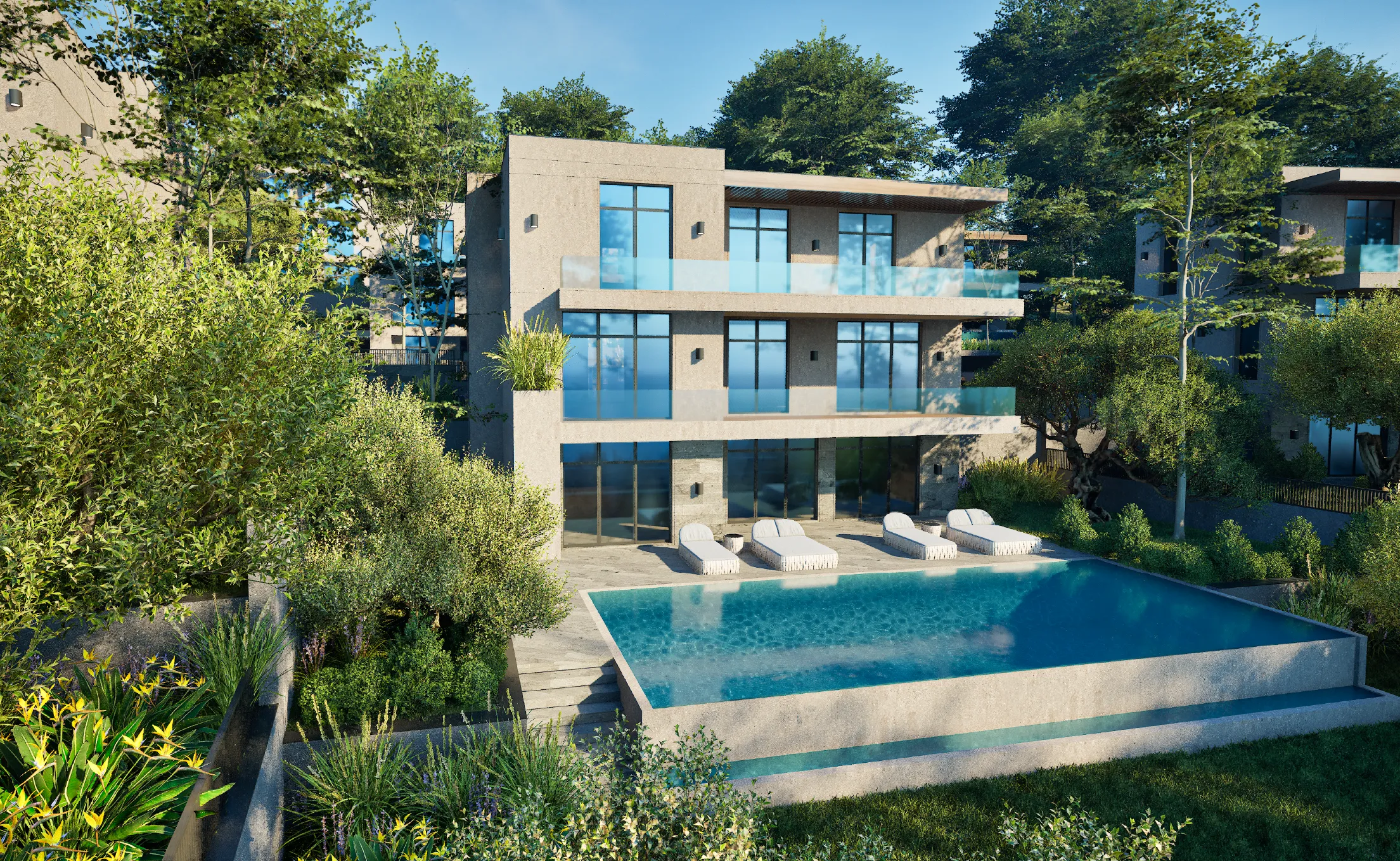
Will property prices in Albania rise?
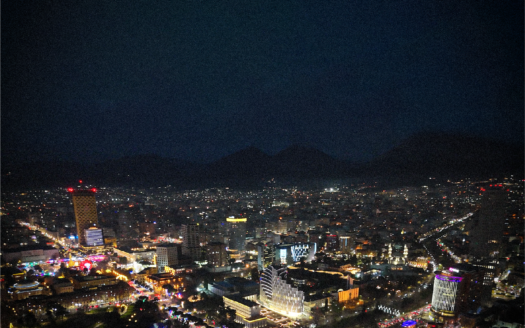
The real estate market in Albania is undergoing a significant transformation, driven by growing international interest and increased investment in cities such as Tirana, Durrës, and Sarandë. With an increasingly visible presence of foreign investors and members of the Albanian diaspora, the demand for high-standard properties is on the rise—particularly in coastal areas and premium urban locations.
But what does this signify for the future of property prices? Is this the beginning of a long-term trend, or merely a temporary surge? In this analysis, we will examine the latest data from the Bank of Albania, legislative changes impacting urban development, and the trends currently shaping the Albanian real estate market.
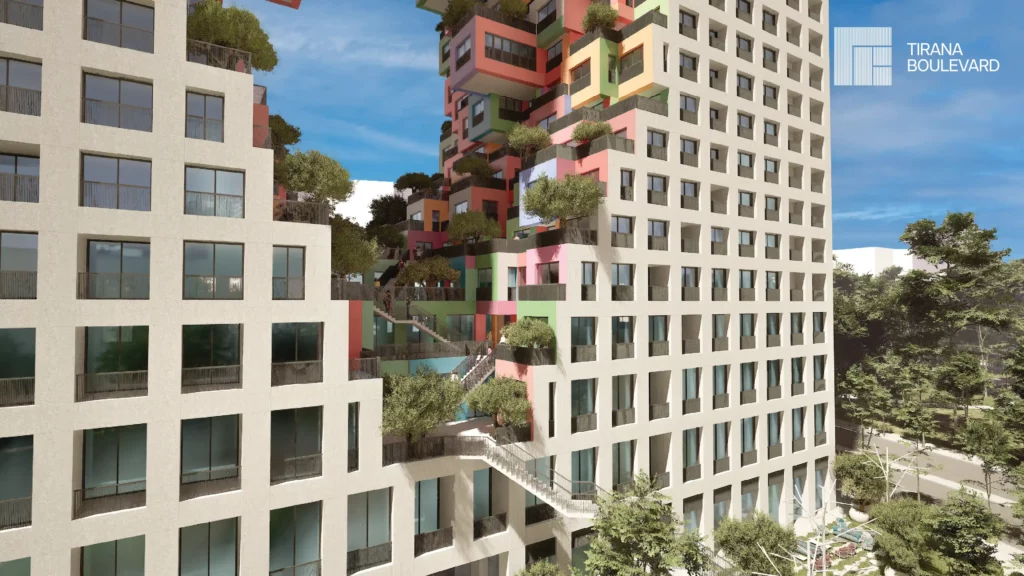
Where does international interest stand according to the Bank of Albania?
- The Bank of Albania publishes quarterly and annual Foreign Direct Investment (FDI) flows.
- According to data published for the first quarter of 2024, the real estate sector accounted for 23% of total FDI in the country.
- This is one of the sectors most favored by foreign investors operating in the Albanian market.
Key figures and facts you should know for 2024 and 2025
During 2024, according to the Bank of Albania, foreign investment in the real estate sector reached approximately €380 million. Foreign direct investments flow
In the first quarter of 2025, this sector attracted 28.7% of total FDI inflows, one of the highest shares recorded during the decade.
According to the statistics, during the first half of 2025, members of the Albanian diaspora purchased properties worth €253 million
Beyond these figures, several legal and urban planning changes related to construction and property development were approved during 2024–2025:
- Increased oversight of construction permits
- Standardization of technical and urban planning criteria for new projects
- Proposals for increased taxation of luxury properties
- Restrictions on intensive development in high-density urban areas
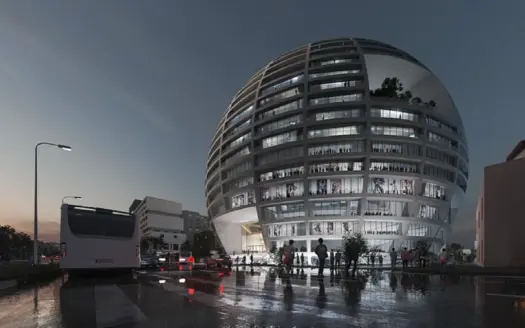
Meanwhile, a growing trend is the involvement of international architecture firms in the design of new developments. This results in:
- Higher design costs, due to the advanced standards being applied
- The use of higher-quality construction materials and technologies, which increase overall development costs
As a result, this may affect the final price paid by the consumer, particularly in premium developments designed according to international standards
According to Michael Jalbert, CEO of Forbes Global Properties:
“The Albanian coast and Tirana are becoming an international luxury destination.”
He added that Forbes clients and potential investors are already showing interest in the Albanian real estate market.
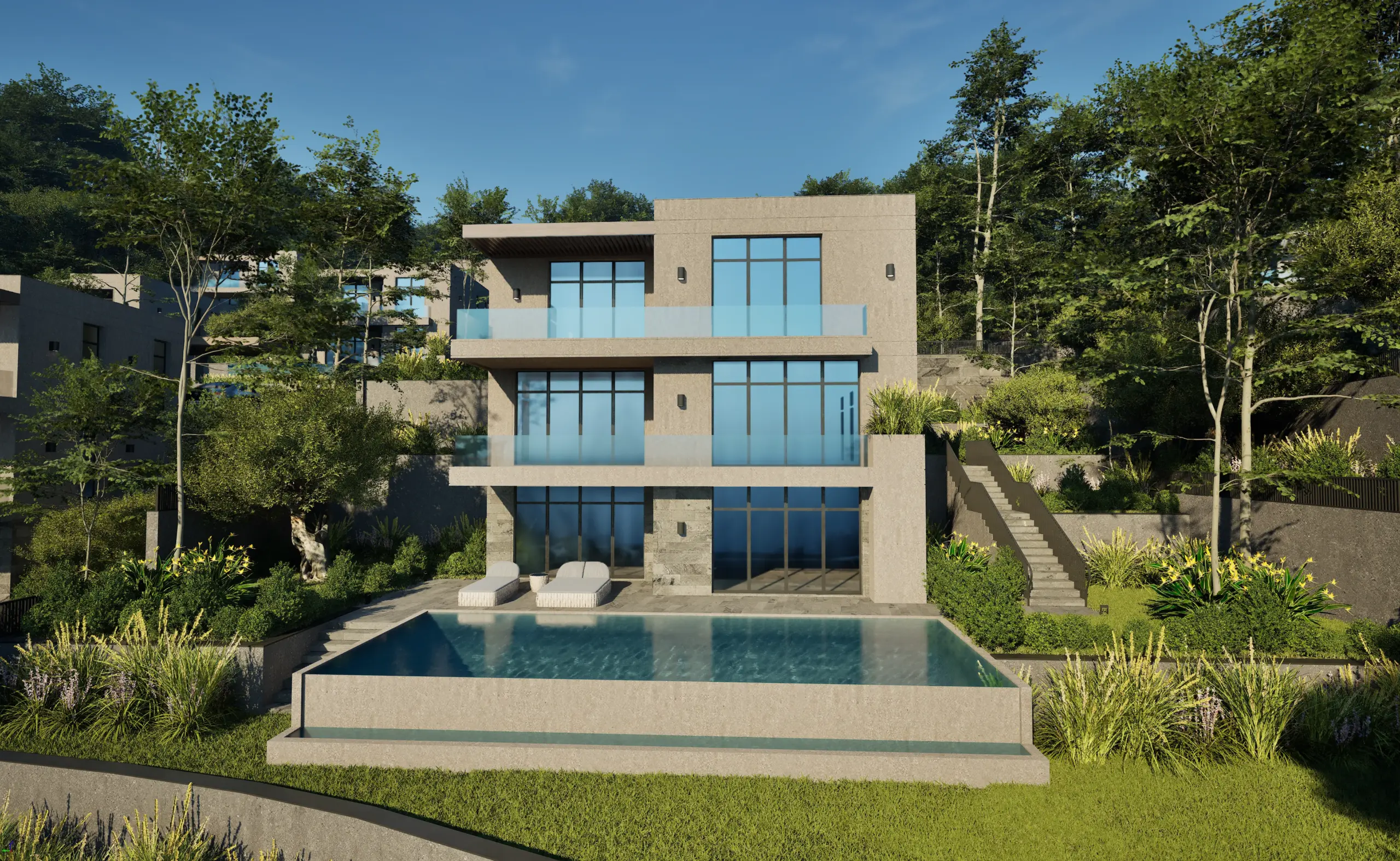
This trend is also reflected in the growing demand for vacation homes, particularly in high-potential areas such as Qerret, Kavajë, which are becoming strategic locations for investment in coastal real estate.
Together, all these factors point to a new market dynamic that cannot be assessed solely through current property prices, but also through the long-term factors shaping the real value of property in Albania.
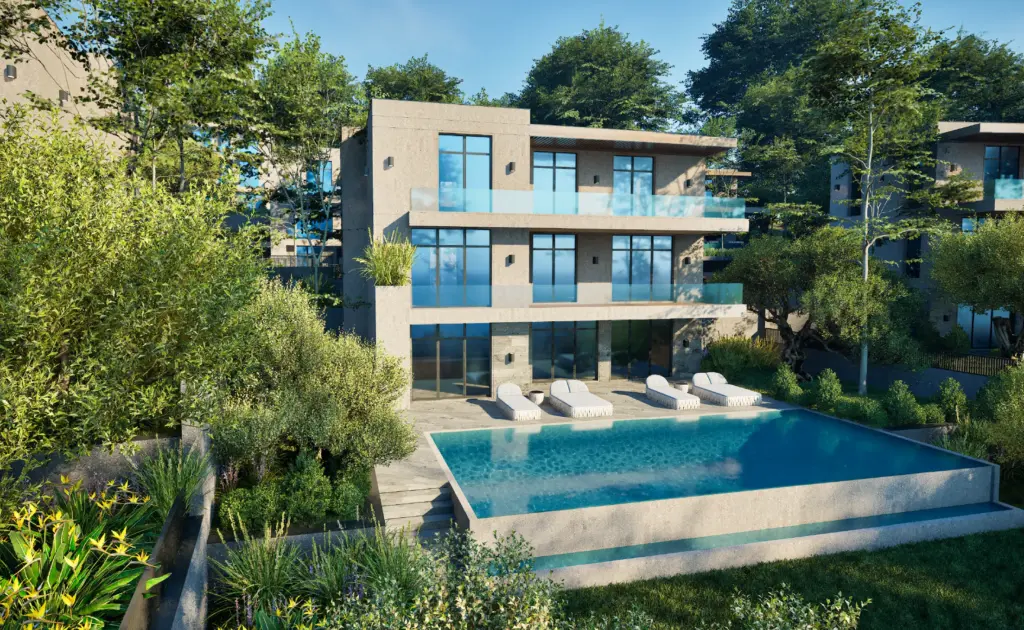
What does this suggest about property prices?
- The gradual increase in FDI in real estate and the tightening of the legal framework indicate a shift toward quality rather than quantity
- Verified international demand and new standards may create noticeable upward pressure on prices in premium areas (such as central Tirana, upscale neighborhoods, and coastal areas)
- However, due to different local factors (such as infrastructure, current supply, and demographic trends), the effect will not be uniform across the entire country
Prosperity Real Estate provides neutral analysis based on official data, with the goal of helping you make informed decisions.
View the official reports from the Bank of Albania